House Hacking My First Duplex: A Real Look at the Numbers, 5 Years Later
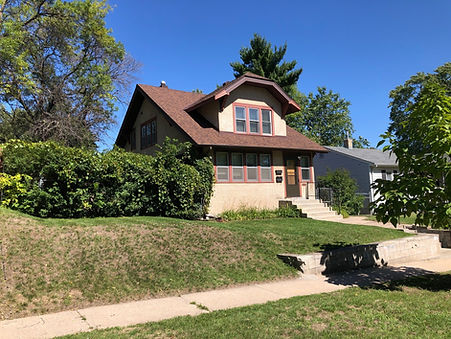
707 Orange Ave E, St. Paul, MN
The Summary
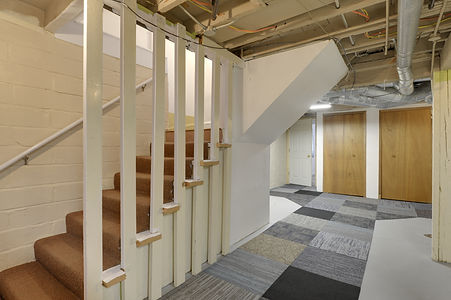
In January 2021, my wife and I bought a 5 bed, 3 bath up/down duplex on the east side of St. Paul for $261,000. We put down 5%, moved into the smaller upper unit that needed work, and rented out the lower unit. A year later we moved to our next home and turned the whole property into a full-time rental.
Five years in, here's where it stands. Total cash to close was $20,880. As a full-time rental from 2022 through 2025, it produced $13,628 in net cash flow after every expense, including mortgage, operating costs, and capital expenses. Add in $28,568 of mortgage principal paid down by tenants and equity from appreciation, and the property has generated $197,814 in total wealth gain against that original $20,880 investment, a 947% return. Current market value is around $375,000.
How We Found It
We worked with an investor-friendly realtor who had house hacked himself and understood the numbers side of the deal, not just the transaction side. That mattered. When you're evaluating a property as a rental and a residence at the same time, you need someone who can run cash flow numbers with you, not just show you comps. If you're considering your first house hack, this is the single easiest lever to pull: find an agent who has actually done one.
The duplex was vacant when we found it, which is part of why the upper unit needed more work. We had to compete for it. Our winning offer was $21,000 over asking. Even at that price, it still worked within our analysis, which is worth sitting with: overpaying on paper doesn't always mean overpaying on the actual investment, if the fundamentals hold up.
Learning to Actually Run It
Buying the duplex was only half the equation. As a first-time landlord, I had to learn how to evaluate tenants, market the vacant unit, and manage the property itself, none of which is taught anywhere before you're suddenly the one doing it.
Before we closed, I tried to absorb as much as I could. I read BiggerPockets books, studied the BiggerPockets forums, followed local Facebook landlord groups, and listened to a ton of real estate investing podcasts. All of that was genuinely useful for building a foundation. But none of it fully prepared me for actually doing it. You don't really learn how to run a rental until you're the one holding the keys and making the calls.
The management part was one of the most nerve wracking pieces of the whole process starting out. You always hear the horror stories everyone has about someone they knew that was a landlord that had a bad experience. Screening a stranger to live in the other half of your house feels like a much bigger decision the first time you're doing it than it does once you've actually done it a few times. This is another place where working with an investor-friendly agent pays off, someone who's done this themselves can walk you through what to actually look for in an application, how to price and market the unit, and what property management basics you need in place before day one. It ends up being far less difficult than you build it up to be in your head beforehand.
The Purchase
Date: January 2021
Purchase price: $261,000
Down payment (5%): $13,050
Closing costs (3%): $7,830
Total cash to close: $20,880
We used a 5% down conventional loan in my wife's name, since she was a first-time home buyer. That let us qualify for the most favorable terms available. If you're buying with a partner and one of you hasn't owned before, this is worth structuring intentionally rather than defaulting to whoever has the better credit score or higher income. First-time buyer status is worth real money in loan terms.
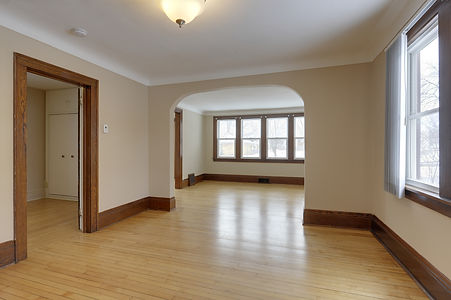
We chose to live in the smaller upper unit specifically because it needed more work. That let us renovate it while living there, on our own timeline, rather than paying a contractor to do it on a rental unit we weren't occupying.
Living There, Then Moving On
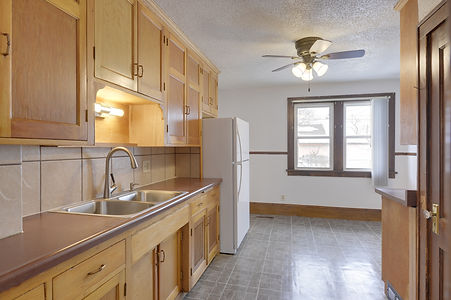
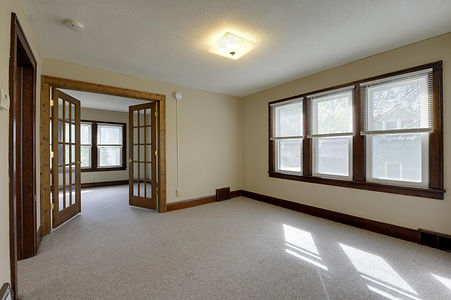
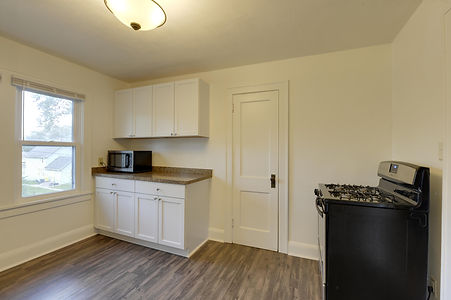
We lived in the upper unit through 2021 while we worked on it. We did a few things in the main lower unit right when we moved in, but it was mostly one-in ready. We chose to live in the smaller upper unit which needed a majority of the work in the kitchen and bathroom so within a couple months of moving in, we had done flooring, cabinets, countertops and updated finishes in the bathroom as well.
Shortly after we moved in, we started looking for the next project (this is addicting!). Towards the end of 2022, we moved into our next home, a single-family live-in flip in Forest Lake, and the duplex became a full-time rental from that point forward.
I'll be honest about the emotional side of this, because it's real and most case studies skip it. We went from 10 acres and a nice home out in the country to a small duplex unit in the city. Our family questioned what we were doing. We questioned what we were doing. We were excited about the long-term plan, but genuinely nervous in the moment. What got us through it was staying anchored to the goal: build long-term wealth, and treat the discomfort as a short-term, temporary step in a much longer investing journey, not a permanent lifestyle downgrade.
The Financials,
Full-Time Rental
(Jan 2022 to Dec 2025)
Gross income: $127,996
Operating expenses: ($27,769)
Mortgage payments: ($65,138)
Capital expenses: ($21,461)
Net cash flow: $13,628
That capital expense line matters. A lot of rental property content online shows cash flow without accounting for real capital costs, big-ticket repairs and replacements that come up over years of ownership. These are real, but often also add value. We included ours. The property still cash flowed positively after absorbing $21,461 in capital expenses over four years all of which was paid for by rental income.
The Wealth Gain
Principal pay down: $28,568
Current market value: $375,000
Equity: $155,618
Total gain: $197,814
Return on cash invested: 947%
Against $20,880 in cash to close, that's a 947% return, nearly 9.5 times our original investment. It's not finished growing either. Tenants keep paying down the principal, appreciation keeps compounding, and there are tax benefits on top of all of this that aren't even reflected in these figures.
A note of transparency and context on that number: we bought this in January 2021, right into the COVID-era market boom that drove appreciation across the Twin Cities well beyond historical norms. That timing is a real part of why the equity and total return numbers look this strong. A first-time investor buying a similar duplex today shouldn't expect this pace of appreciation, and using this deal to model expected returns going forward would be a mistake. What is repeatable, regardless of market cycle, is the strategy itself: low down payment financing, house hacking to reduce your own housing cost, tenants paying down your principal, and a long-term hold. Those fundamentals work in any market. The appreciation on top of them is a bonus, not something to count on.
What I'd Tell Someone Standing Where We Were
Run the numbers, and don't make emotional decisions. It's easy to let a smaller space, a different neighborhood, or family opinions talk you out of a deal that actually works on paper. If the analysis holds up, the discomfort is temporary. The wealth it builds isn't. Take the first step and think about the future.
The seeds you plant now bear the fruit you enjoy down the road.